Introduction
Finding a reputable pemborong kurma near me is only half the battle – savvy buyers must also verify product freshness and proper storage conditions. Since dates are perishable commodities, these factors directly impact quality, shelf life, and ultimately your profitability. This guide reveals professional techniques to assess date freshness when sourcing from local wholesalers.
1. Visual Freshness Indicators
Color Evaluation
-
Look for vibrant, uniform coloration
-
Avoid dates with white sugar crystallization
-
Reject batches with dark spots or discoloration
Surface Inspection
-
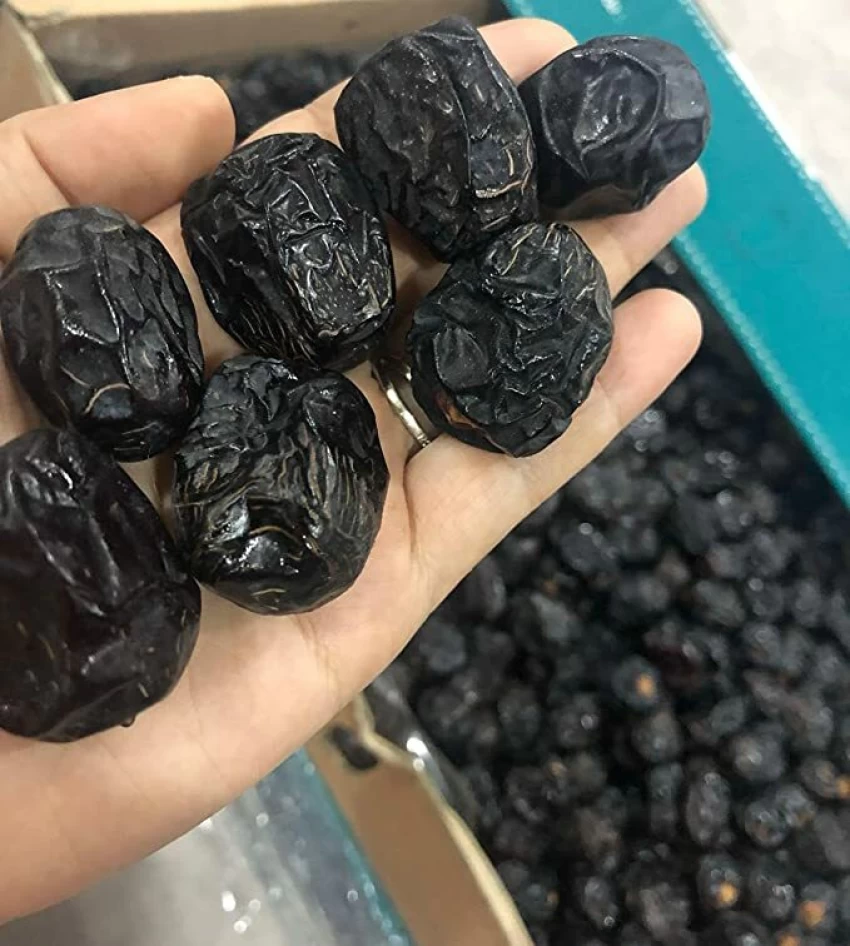
Skin should appear slightly glossy
-
Wrinkled or shriveled dates indicate age
-
Check for intact skin without cracks
2. Tactile Quality Tests
Firmness Assessment
-
Gently squeeze – should yield slightly but not mushy
-
Overly hard dates may be underripe or dried out
-
Excessively soft dates may be overripe
Stickiness Level
-
Natural dates have slight tackiness
-
Excessive stickiness suggests added syrup
-
Dry, non-sticky surfaces indicate age
3. Aroma Profiling
Fresh Date Characteristics
-
Sweet, caramel-like natural fragrance
-
Mild floral notes in premium varieties
-
No fermented or sour odors
Warning Signs
-
Alcohol-like smell indicates fermentation
-
Musty odors suggest improper storage
-
Chemical smells may signal preservatives
4. Storage Condition Verification
Facility Inspection
-
Climate-controlled environment preferred
-
Clean, pest-free storage areas
-
Proper ventilation systems
Packaging Evaluation
-
Intact, undamaged packaging
-
Moisture-proof materials
-
UV-protected containers
5. Supplier Practices Assessment
Inventory Rotation
-
Ask about FIFO (First-In-First-Out) system
-
Check for batch date labeling
-
Inquire about stock turnover rates
Handling Procedures
-
Temperature monitoring during transport
-
Clean loading/unloading practices
-
Protection from direct sunlight
6. Sample Testing Protocol
Taste Evaluation
-
Balanced sweetness (not cloying)
-
Clean finish without bitterness
-
No strange aftertastes
Texture Analysis
-
Pleasant chewiness, not stringy
-
No grittiness from crystals
-
Smooth flesh without hard bits
7. Documentation Review
Storage Records
-
Temperature logs
-
Humidity monitoring data
-
Pest control reports
Quality Certificates
-
Recent lab analysis reports
-
Moisture content verification
-
Contamination screening
8. Seasonal Considerations
Harvest Timing
-
New crop versus stored inventory
-
Seasonal quality variations
-
Price fluctuations by season
Market Availability
-
Peak season quality advantages
-
Off-season storage challenges
-
Supply and demand impacts
Key Takeaways
-
Visual inspection reveals immediate freshness clues through color and surface texture
-
Touch and smell tests provide additional quality verification
-
Storage facility conditions directly impact current and future quality
-
Supplier handling practices affect product integrity
-
Actual tasting provides the ultimate quality confirmation
-
Proper documentation indicates professional operations
-
Seasonal factors influence both quality and pricing
-
Consistent quality requires ongoing monitoring
Final Thoughts
Evaluating a pemborong kurma near me requires engaging all senses – looking, touching, smelling, and ultimately tasting the product. The most reliable wholesalers welcome such inspections, understanding that transparency builds trust with discerning buyers.
Having sourced dates from numerous local suppliers, I’ve found that the best operators maintain organized facilities, complete documentation, and most importantly, consistently fresh inventory. They view quality maintenance as a competitive advantage rather than an inconvenience.
By applying these assessment techniques, you can establish relationships with suppliers who share your commitment to quality, ensuring your customers receive only the freshest dates available in the market.