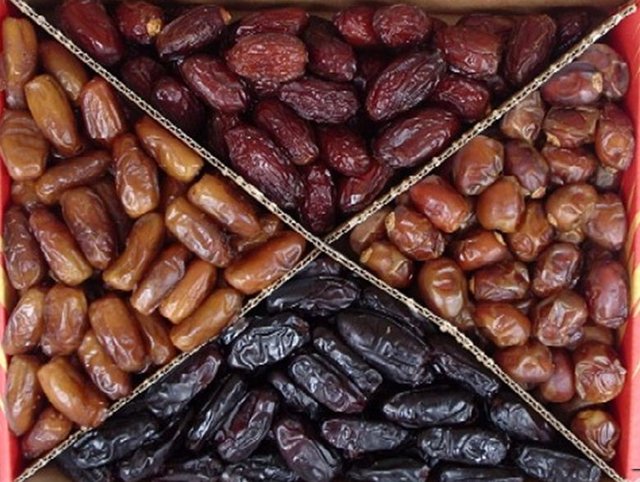
The date fruit market in Malaysia has seen remarkable growth over the past decade. With rising demand during Ramadan, year-round interest in healthy snacking, and the increasing popularity of online shopping, buyers are turning to wholesalers for reliable supply. In this competitive landscape, pemborong kurma Malaysia (dates wholesalers) face a dual challenge: delivering bulk quantities while ensuring consistent quality across every shipment. Retailers, wholesalers, and even everyday customers want assurance that their dates will be fresh, authentic, and worth the purchase.
Why Quality Matters in the Date Industry
Quality is not just a marketing term when it comes to dates. It is the foundation of trust in the marketplace. Unlike packaged goods with longer shelf lives, dates are sensitive to factors such as storage, transportation, and handling. A poor-quality batch can damage a supplier’s reputation instantly.
Consumer Expectations
Shoppers today are more informed and selective. They look at color, texture, and even the origin of dates before making a purchase. Retailers and wholesalers therefore demand that suppliers maintain standards that can satisfy increasingly discerning consumers.
Retailer and Wholesaler Demands
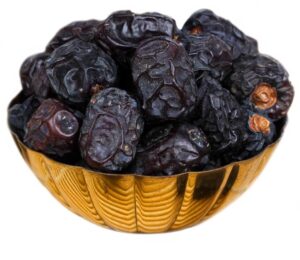
For businesses, quality consistency reduces the risks of customer complaints, product returns, and financial losses. Retailers want confidence that every box they stock looks and tastes the same. Wholesalers depend on suppliers who can deliver large orders without compromising freshness.
The Bulk Supply Challenge
Meeting bulk demand is not simply about having enough stock. It requires a system where quality and quantity align perfectly.
Seasonal Pressures
The date industry peaks during Ramadan and festive seasons. During this time, demand surges, and suppliers must prepare months in advance. Ensuring a steady flow of fresh dates without rushing the process is a major balancing act.
Global Sourcing Complexity
Malaysia imports dates from regions such as the Middle East and North Africa. Differences in farming practices, climate, and storage conditions can affect product consistency. This makes the role of the wholesaler even more critical in screening, sorting, and packaging.
Storage and Transportation Risks
Bulk supply often involves long-distance shipping and extended storage. Dates are prone to moisture absorption, sugar crystallization, and even pest issues if not handled properly. Quality assurance must cover every step of the logistics chain.
Strategies for Ensuring Consistent Quality
So, how can suppliers rise to the challenge of meeting bulk demand while maintaining trust in their products?
1. Building Strong Relationships with Farmers
Wholesalers benefit greatly from working closely with trusted farms. Long-term contracts and direct partnerships help secure access to premium harvests. By visiting farms and understanding cultivation practices, suppliers can reduce variability in quality.
2. Implementing Rigorous Sorting Systems
Not all dates from a single harvest are equal. Automated sorting machines, combined with human inspection, ensure that only fruits meeting the right size, color, and texture standards are packaged for distribution. This level of quality control creates uniformity across bulk orders.
3. Modern Storage Solutions
Cold storage facilities and controlled environments protect dates from temperature fluctuations and humidity. Investing in modern storage infrastructure ensures that large inventories remain fresh, even when supply is stored for months before distribution.
4. Standardized Packaging
Uniform packaging is a signal of professionalism. It protects dates from contamination and damage while enhancing brand identity. Wholesalers can adopt tamper-proof and eco-friendly packaging to maintain trust with both retailers and end customers.
5. Quality Certifications
International certifications such as HACCP, ISO, and Halal standards provide credibility. These certifications reassure buyers that products have undergone strict inspections and adhere to global safety benchmarks.
6. Leveraging Technology for Traceability
Digital tools now allow wholesalers to track products from farm to shelf. QR codes on packaging can provide transparency about origin, harvest date, and handling practices. This not only improves accountability but also builds consumer confidence.
Balancing Bulk Demand with Freshness
One of the most difficult aspects of bulk supply is ensuring freshness. Large orders can sometimes sit in warehouses longer than expected. To address this, suppliers can adopt a first-in, first-out inventory system. This ensures that older stock is distributed before newer batches.
Adapting to Customer Needs
Retailers might require smaller, frequent deliveries rather than one large shipment. Flexibility in delivery schedules helps reduce the risks of stockpiling and ensures fresher products on the shelves.
Educating Retailers and Consumers
Suppliers can go the extra mile by sharing tips on proper storage and handling. Educated retailers pass on these practices to consumers, prolonging freshness and enhancing satisfaction.
The Role of Branding in Building Trust
Even in a wholesale-driven industry, branding matters. A strong brand identity communicates reliability, professionalism, and quality commitment.
Consistency in Every Batch
When buyers repeatedly receive the same level of quality, they begin to associate the supplier’s brand with dependability. This builds long-term loyalty, which is vital in a competitive industry.
Transparency as a Competitive Edge
Wholesalers that openly share sourcing details, quality processes, and certifications stand out. Transparency transforms ordinary suppliers into trusted partners for retailers, wholesalers, and consumers alike.
Future Trends in the Malaysian Date Industry
The landscape for date wholesalers is evolving quickly. With technology, global trade, and changing consumer habits, the future holds both opportunities and challenges.
Rising Role of E-Commerce
Online platforms are no longer just for small retail orders. Bulk transactions are increasingly being managed digitally, with wholesalers offering online catalogs, bulk pricing, and delivery tracking.
Health and Wellness Trends
Dates are increasingly marketed as superfoods. This trend increases demand for premium varieties like kurma Ajwa and Medjool. Wholesalers who position themselves as suppliers of high-quality, healthy products can tap into this market.
Sustainability Expectations
Eco-friendly packaging, fair-trade sourcing, and reduced food waste are becoming priorities for many buyers. Meeting these expectations will soon be a necessity, not an option.
Conclusion
Ensuring consistent quality while meeting bulk supply demands is no small task. However, dates wholesalers who invest in farmer relationships, advanced storage systems, certifications, and branding are more likely to succeed. By balancing freshness with large-scale distribution and embracing transparency, wholesalers can secure trust not only from retailers and distributors but also from everyday consumers. The date industry in Malaysia is thriving, and those who commit to quality will remain at the forefront.