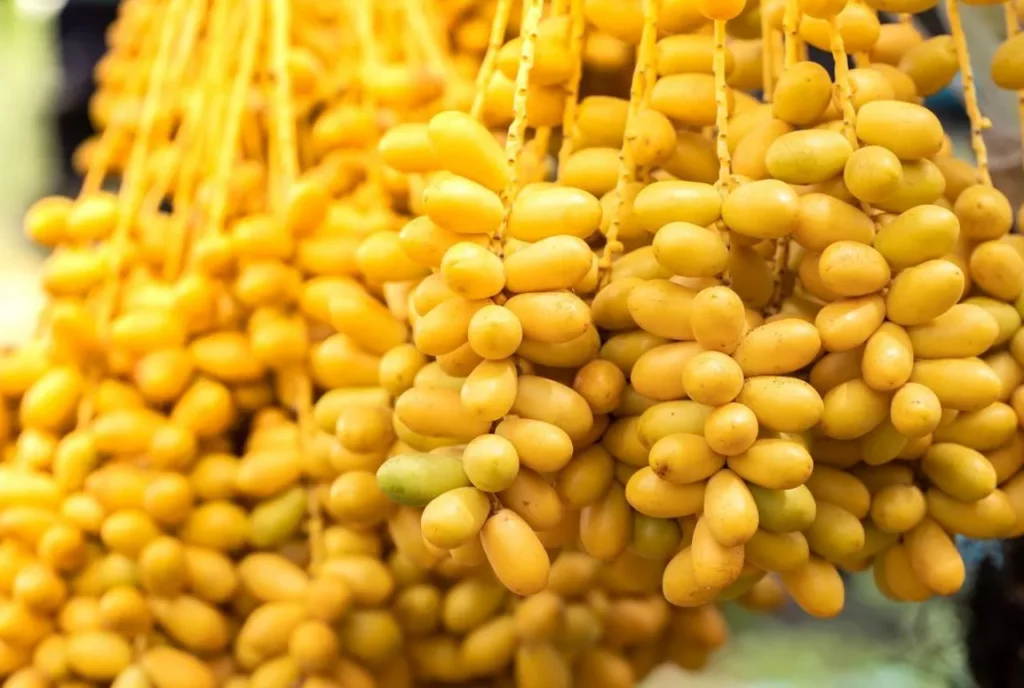
When we think of the date palm, sweet, nutritious fruit is usually the first thing that comes to mind. But beyond the bounty of its harvest lies a deeper, more structural secret: the entire tree is a treasure trove of sustainable building materials. In an age where the construction industry is urgently seeking eco-friendly alternatives, architects and builders are turning back to ancient wisdom, reimagining how we can use date palm fronds, trunks, and other byproducts to create sustainable, efficient, and beautiful buildings. This isn’t just about nostalgia; it’s a forward-looking movement grounded in brilliant bio-design.
This exploration into palm-based architecture is a story of innovation, blending traditional knowledge with cutting-edge technology to address modern environmental challenges.
More Than Just Fruit: The Palm’s Potential
The date palm tree is remarkably generous. After the annual date harvest, a significant amount of agricultural waste is left behind. This includes fronds that have been pruned, trunks from dead or fallen trees, and the fibrous material surrounding the base of the fronds. Traditionally, this biomass was often burned, contributing to air pollution, or left to decompose. Modern sustainable design sees this not as waste, but as a valuable, renewable resource. By utilizing these materials, we can reduce agricultural waste, lower the carbon footprint of buildings, and create a circular economy that benefits both farmers and builders.
Ancient Roots, Modern Applications
The use of palm materials in construction is deeply rooted in the history of regions where these trees grow. For centuries, communities have expertly woven palm fronds into roofing, fencing, and walls, creating homes that were naturally cool and well-ventilated. This vernacular architecture represents a profound understanding of local materials and climate. Today’s architects are not simply replicating these old techniques; they are elevating them. They are deconstructing the palm, studying its properties, and integrating it into contemporary designs in surprising and innovative ways. It’s a perfect marriage of heritage and high-tech.
The Mighty Frond: From Rooftops to Insulation
Date palm fronds, known as leaves, are perhaps the most versatile part of the tree. Their strength, flexibility, and natural abundance make them ideal for various applications.
One of the most direct uses is in roofing and shading systems. Fronds can be woven into large panels or mats, known as *areesh* in some cultures. These panels are then used as a primary roofing material or as an outer layer to provide shade. They create a thermal buffer, blocking the harsh sun while allowing hot air to rise and escape, significantly reducing the need for mechanical air conditioning.
More innovatively, researchers are processing fronds into high-performance building insulation. The fibrous material is treated for fire and pest resistance and then compressed into boards or loose-fill insulation. This palm-based insulation is not only effective at regulating temperature but also acts as a superb sound absorber. For a local pengedar kurma, this represents a potential new market for what was once considered a waste product, turning it into a value-added good for the construction industry.
The Sturdy Trunk: Beams, Panels, and Composites
The trunk of the date palm, composed of a fibrous and vascular structure, is incredibly tough. While whole trunks have long been used as beams in traditional structures, modern technology is unlocking new potentials.
Through processes like crushing, heating, and pressing with natural resins, the trunk’s fibrous material can be transformed into sturdy, medium-density particleboards. These boards can be used for cabinetry, furniture, and non-load-bearing interior walls. They offer a sustainable alternative to wood-based particleboards, which often contain synthetic formaldehyde resins that can off-gas harmful chemicals.
Furthermore, the trunk’s fibers are being explored as a reinforcement material in composite mixes. Instead of using synthetic fibers, which are derived from fossil fuels, scientists are testing the use of palm fibers to strengthen concrete and other bio-based composites. This not only reduces the plastic content in building materials but also enhances their tensile strength and durability.
Why Palm Materials Are a Game-Changer
The shift towards date palm building materials is driven by their compelling environmental and practical benefits.
A Champion of Sustainability
The core advantage is their sustainability. Date palm materials are:
Renewable: Palms are cultivated annually, and the building materials are a byproduct of the existing fruit harvest.
Low-Carbon: They sequester carbon as they grow and require minimal energy to process compared to steel, concrete, or synthetic insulation.
Waste-Reducing: They transform agricultural waste into a valuable resource, promoting a circular economy and reducing pollution from burning.
Superior Natural Performance
Beyond being green, these materials perform exceptionally well:
Thermal Regulators: Their natural fibrous structure creates millions of tiny air pockets, providing excellent insulation and keeping buildings cooler in summer and warmer in winter.
Breathable: Unlike many modern synthetic barriers, palm materials allow moisture vapor to pass through, preventing condensation and mold growth, which leads to healthier indoor air quality.
Cultural and Aesthetic Value: Using these materials connects a building to its local landscape and cultural heritage. The texture and warmth of palm wood and woven fronds add unique, natural beauty to any space.
Real-World Impact and The Path Forward
The potential of this material is not just theoretical. Experimental projects and homes are being built from Spain to the Gulf states, showcasing the viability of palm-based construction. These projects serve as living laboratories, providing data on the materials’ long-term performance, durability, and maintenance needs.
For this movement to scale up, a reliable supply chain is crucial. This is where local businesses, from a small kurma Shah Alam shop to large-scale distributors, can play a pivotal role. By creating a market for palm waste, they can incentivize farmers to collect and sell these materials rather than dispose of them. This creates a new revenue stream for the agricultural sector and provides builders with a steady, local supply of sustainable resources.
The future is bright with continued research into treatments to enhance fire resistance and longevity, and into industrial processes that can produce standardized, code-compliant building materials on a larger scale.
Conclusion:
The humble date palm continues to give long after its fruit is harvested. Its journey from a source of sustenance to a pillar of sustainable architecture is a powerful reminder that some of the best solutions to our modern problems are found in nature. By looking at traditional practices with fresh eyes and applying modern innovation, we can build a future that is not only more sustainable but also more connected to our environment and heritage. The tree that has nourished communities for millennia is now poised to shelter them in a new, eco-conscious way.
It’s a personal reflection to consider how this approach embodies true sustainability. It’s not about importing high-tech, expensive solutions from afar, but about looking at our immediate environment and seeing the abundance that already exists. It’s a philosophy that values resourcefulness, respects tradition, and innovates for the future, all at once. The date palm stands as a silent, resilient testament to that ingenuity, offering us not just food, but a blueprint for a greener way to live.